

Oak Longevity review
We may earn a commission if you start a program through links on this page. It doesn't change prices or how we sort them. Disclosure
Visit Oak Longevity Affiliate link · we may earn a commissionOak Longevity programs and current prices
7 comparison programs and 0 additional listings, checked 29 August 2026.
| Treatment | Current monthly price | Format | Visit |
|---|---|---|---|
 Semaglutide Semaglutide | $119compounded (not FDA-approved)a month, continuing | Weekly semaglutide injection | VisitAffiliate link · we may earn a commission |
 Tirzepatide Tirzepatide | Not publishedcompounded (not FDA-approved)quoted after intake | Weekly tirzepatide injection | VisitAffiliate link · we may earn a commission |
 Mounjaro Mounjaro | Not publishedquoted after intake | Weekly injection | VisitAffiliate link · we may earn a commission |
 Oral semaglutide Oral semaglutide | Not publishedcompounded (not FDA-approved)quoted after intake | Daily oral treatment | VisitAffiliate link · we may earn a commission |
 Ozempic Ozempic | Not publishedquoted after intake | Weekly injection | VisitAffiliate link · we may earn a commission |
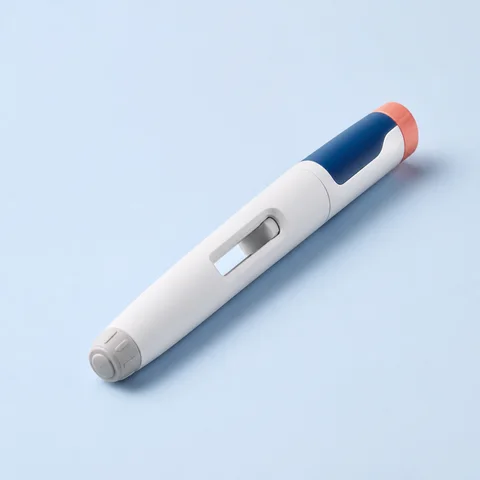 Wegovy Wegovy | Not publishedquoted after intake | Weekly injection | VisitAffiliate link · we may earn a commission |
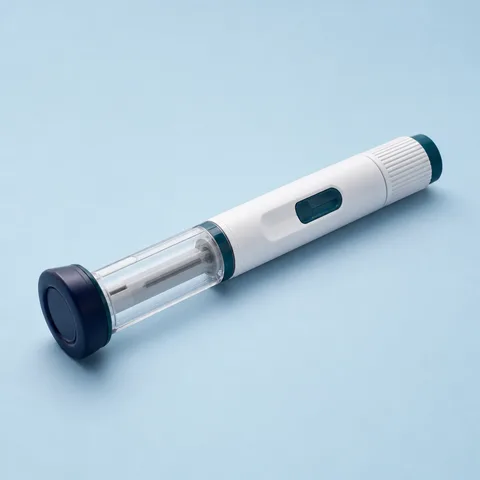 Zepbound Zepbound | Not publishedquoted after intake | Weekly injection | VisitAffiliate link · we may earn a commission |
Verdict: best for manual renewal and GLP-1 choice
Oak Longevity is best for a cash-pay shopper who wants compounded GLP-1 options and prefers to choose whether to renew instead of accepting an automatic monthly charge. It is a weaker fit for someone who expects to cancel after clinical approval and recover the payment, because Oak's terms sharply limit refunds once approval and fulfillment advance.
Oak also lists brand-name and oral routes, but not every listing has a verified comparable price. The cleanest comparison is therefore its priced compounded semaglutide offer. A tirzepatide-specific official number was not verified. Do not infer that an unpriced listing includes medication or guarantees access.
Oak Longevity's comparable GLP-1 prices
The current catalog supports a like-for-like price comparison for compounded semaglutide below. The tirzepatide row remains in the catalog without a verified official number. Brand-name and oral listings require separate confirmation and are not treated as equivalent priced offers.
- Semaglutidecompounded (not FDA-approved)$119 monthly
- Tirzepatidecompounded (not FDA-approved)No month-to-month price published
Confirm whether the selected plan is one month or a prepaid term, the medication and quantity included, the pharmacy assignment, and the point at which the charge becomes nonrefundable. A nonrecurring billing flow can still create a nonrefundable order after approval.
Oak's clearest strength is billing control
Oak's checkout says monthly orders are billed on a nonrecurring basis and require the patient to renew, while longer prescriptions are billed upfront. That structure can reduce surprise renewals for a reader who actively manages each order.
The catalog also separates compounded, oral, and brand-name choices. That gives a clinician and patient several routes to discuss, but it does not make those routes interchangeable. The final decision should follow the prescription, regulatory status, and full order terms for the actual product.
Refund timing and a small review sample are the main drawbacks
Oak's terms say the platform coordinates access to a health care provider and pharmacy. They also say an approved order can proceed to shipment without a refund even if the account or subscription is later cancelled. A patient should resolve eligibility, product, quantity, and delivery questions before approval rather than assuming cancellation will stop fulfillment.
The exact-domain Trustpilot profile is claimed and contains a relatively small body of reviews. Recent posts include both positive accounts and complaints about support or shipping. An independent GLP-1 review site provides another source class, but neither source is a clinical audit or proof of representative outcomes.
Oak is the platform, not the prescriber or pharmacy
Oak's terms identify Leaf Longevity Holdings Corp., doing business as Oak Longevity, as the online platform. The terms explicitly separate Oak from the health care provider and pharmacy involved in care and fulfillment.
The sources reviewed do not support naming one stable pharmacy for every order. Ask who prescribes, which pharmacy compounds or dispenses the selected medication, how that pharmacy is licensed for the patient's state, and where medication questions should go.
Do not blend brand-name and compounded pathways
Oak's catalog places several GLP-1 routes near one another, but the commercial and regulatory questions differ. A brand-name listing should identify the FDA-approved product, prescription path, cash or insurance basis, and whether the medication is included. A compounded listing should identify the compounded formulation, dispensing pharmacy, supplies, and the fact that the product is not the approved brand. One route's price cannot fill a gap in the other route's record.
The same discipline applies to oral listings. A product described as oral semaglutide is not automatically the FDA-approved oral semaglutide product, and it is not equivalent to an injectable brand. The patient should obtain the full medication name, route, formulation, and pharmacy before deciding. If Oak cannot provide that information before the charge becomes nonrefundable, the safer commercial choice is to wait.
For the priced compounded injections, verify whether the displayed amount is introductory or continuing and whether dose changes affect the total. Save the approved prescription and fulfillment notice, then compare the package label with the order. Manual renewal gives the customer a useful control point, but only if the current shipment and next decision date are understood.
Oak is less suitable when insurance navigation or long-term care coordination is the main need. Its public checkout is built around cash-pay medication access, and the review found no basis for assuming that an unpriced brand listing includes benefits investigation or prior authorization. Ask for those services explicitly. If the answer is vague, compare a brand-focused service or a local clinician before disclosing payment information.
Independent evidence should be weighted by depth. Oak's exact-domain Trustpilot page is current but small, and the independent editorial review largely evaluates public disclosures rather than care delivery. The combination can reveal issues worth checking, such as communication and shipment timing, but it cannot support an outcome claim or a universal legitimacy verdict. The best evidence remains the actual prescriber, pharmacy, checkout terms, and package tied to the patient's order.
Alternatives depend on what you value most
A medication-included competitor with a larger independent review corpus may be preferable if service history is the priority. A brand-focused telehealth program may fit better when insurance coverage or manufacturer savings drives the decision. A local clinician is the stronger alternative when coordinated care across diabetes, obesity, and other conditions matters more than mail-order convenience.
Oak is most persuasive when manual renewal and a simple compounded GLP-1 comparison solve the reader's actual problem. Its refund boundary and pharmacy assignment still need confirmation before payment.
- Compare Semaglutide prices
- Compare Tirzepatide prices
- Oak Longevity Semaglutide
- How to get compounded semaglutide injection online
- How to get compounded tirzepatide injection online
- How to get Mounjaro injection online
- How to get compounded oral semaglutide online
- How to get Ozempic injection online
- How to get Wegovy injection online
- How to get Zepbound injection online
- What customers report about Oak Longevity
- View the Oak Longevity profile
- How Telehealth Ledger checks prices
How this review was prepared
We checked Oak Longevity’s public pricing and programme pages on 29 August 2026. The review covers published pricing, plan terms, inclusions, and availability. It is not a rating, a clinical assessment, or a guarantee of eligibility or outcomes.
- Oak Longevity official site
- Oak Longevity checkout and program terms
- Oak Longevity terms of use
- Oak Longevity privacy policy
- Trustpilot profile for oaklovesyou.com
- GLP-1 Planet Oak Longevity review
Evidence limits
- The independent exact-domain review sample is small and can change.
- No single dispensing pharmacy was verified for every Oak order.
- Unpriced brand-name and oral listings are not represented as comparable priced offers.
- Company statements and consumer reviews do not establish individual safety, eligibility, or weight-loss results.